1025 Montgomery Hwy

Ste. 200, Vestavia Hills, AL 35216

(205) 637-3055

Secure HIPAA-compliant

Mon - Fri: 8AM- 5PM

Online store always open

Metabolic Psychiatry

What if your depression and anxiety aren’t just in your brain but are due to your body’s metabolic dysfunction?

Your brain depends on energy production which requires low inflammation, mitochondrial health and low oxidative stress. When those systems are disrupted, mood, focus, and resilience suffer.

Schedule a consultation

Why am I not
getting better?

1/3

of those with
major depression
don’t respond to
standard
treatment

Symptoms of metabolic dysfunction:

  • Depression
  • Anxiety
  • Brain fog
  • Poor response to antidepressants
  • Fatigue
  • Weight gain or inability to lose weight
  • Insomnia
  • Joint pain
  • GI distress: bloating, pain, diarrhea, or constipation
  • Food sensitivities

What is Metabolic Psychiatry?

It is a new way to understand mental health

Metabolic psychiatry looks beyond neurotransmitters to examine how the body’s energy systems influence brain function.

Low Inflammation

Chronic inflammation disrupts brain signaling and is strongly linked to depression.

Healthy Mitochondria

Mitochondria make cellular energy. If they don’t work well, energy isn’t produced well.

Low Oxidative Stress

Oxidative stress is like cellular “rusting”. It leads to cell damage and impaired signaling.

The Science Behind Metabolic Psychiatry

Medication Resistance

Those with metabolic
dysfunction are less
likely to respond to
standard antidepressants.

Inflammation and Brain Function:

Those with metabolic dysfunction are less likely to respond to standard antidepressants.

Metabolic Subtype of Depression

Research suggests that there
is a distinct subtype of
depression driven by
metabolic dysfunction.

Insulin resistance and depression

Large meta-analyses show
significantly higher insulin
resistance in patients with
depression.

It’s all connected: mental health, physical health, metabolic
health, social health. At Magnetic Hope,we treat them all-together!

While conventional psychiatry treats the symptoms, we look for the root cause.

METABOLISM  ———>  BRAIN FUNCTION ———>  MOOD

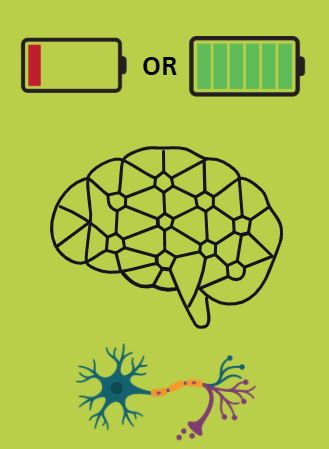
If the brain doesn’t have the energy it needs, it cannot function optimally.

Metabolic optimization can improve the response to:

  • Antidepressants
  • TMS
  • Spravato
  • Psychotherapy

Schedule a consultation

With metabolic psychiatry, we make traditional treatments work better!

FAQS about Metabolic Psychiatry

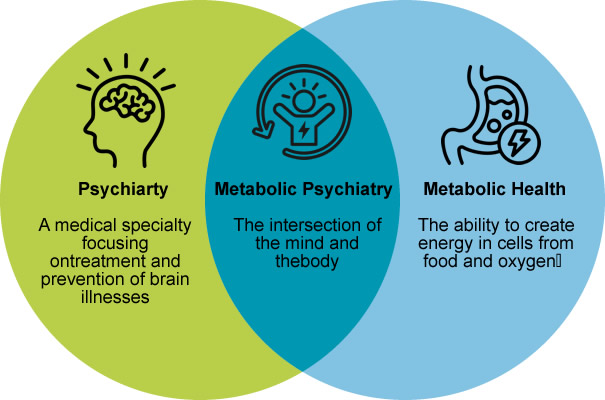
What is metabolic health?

When we talk about health, most people think of things like weight, blood pressure, cholesterol or mental health symptoms. But there’s a deeper layer to your health that often gets overlooked— something called metabolic health. Metabolic health refers to how well your body generates and uses energy. It’s the foundation of your physical and cognitive well-being. A healthy metabolism helps regulate blood sugar, manage inflammation, balance hormones, support digestion, fuel your brain, and regulate mood, energy, and sleep quality.

Even if you feel fine now, your underlying metabolic health matters. Metabolic dysfunction increases the risk of almost all chronic diseases including:

  • Depression
  • Anxiety
  • Heart disease and stroke
  • Dementia
  • Diabetes type 2
  • Cancer
  • Autoimmune disease
  • Obesity
  • Chronic insomnia
  • Hormonal imbalance
Metabolic psychiatry is a cutting edge approach that focuses on your body’s energy production involving blood sugar, inflammation, oxidative stress, mitochondrial health and hormones and how these energy systems affect mental health. It answers the question, “Is your brain getting the energy and support that it needs to function well?”
Traditional psychiatry focuses on symptoms relief using medications and therapy. Metabolic psychiatry expands the focus to assess underlying biochemistry. It is not an alternative. It is a more complete model
No. While both nutrition and movement are important aspects of metabolic health, it is more nuanced and complex than that. We start by evaluating lab biomarkers to get a baseline, then we follow a metabolic roadmap towards health that is personalized for each patient.
Honestly, most of us (93%) have a least one marker of metabolic dysfunction and need to make a course correction. Those who urgently need to consider metabolic psychiatry are those who are treatment resistant (haven’t responded to medications), experience brain fog or fatigue, have weight-loss resistance or pre-diabetes or who want a root-cause approach.
Absolutely! There are multiple studies showing strong links between metabolic dysfunction and mental health symptoms. For example, up to 80% of people with celiac disease remain undiagnosed. 50% of those with celiac disease have depression and up to 80% have anxiety. Celiac disease is an autoimmune disease in which the immune system mistakes self for an invader and attacks itself. Autoimmune diseases are the fastest growing disease states. It is a metabolic disease. One in three adults has pre diabetes. 80% of them don’t know that they have it. Those with pre diabetes have significantly higher depression and anxiety levels compared to those with normal blood sugar levels.
Yes. We start with labs to establish a baseline of metabolic health. Insurance often will reimburse you for some of the biomarker labs.
No. If changes are needed, they are done carefully and collaboratively.
We do functional medicine for mental health, which we like to call “functional mental health”. We specialize in psychiatric conditions and integrate evidence-based psychiatric treatments such as TMS, Spravato, psychotherapy and conventional antidepressants when needed. However, we encourage patients to allow us to assess their underlying metabolic health as well.
This varies from person to person. Many patients notice early changes in energy and cognition within weeks. Over time they often see large improvements in mood and anxiety. While metabolic psychiatry is not a quick fix, it addresses the underlying dysfunctions.

Treatments personalized to your biology will include:

  • dietary changes
  • strategies to optimize sleep
  • increasing movement
  • targeted supplements
  • techniques to control stress
Absolutely! Metabolic psychiatry is a rapidly growing area of research. There are thousands of research articles supporting the tenets of metabolic psychiatry, and our recommendations are based on scientific evidence. Metabolic psychiatry is one of the most promising frontiers in mental health care.
For those patients who follow the recommendations, treatment using metabolic psychiatry principles is likely to help because we look to identify the underlying cause and correct it. That said, no single approach works for everyone.
We use evidence-based strategies and monitor your progress closely.

We respect your choice and work with you to help you meet your health goals. We offer traditional medication management, psychotherapy and interventional treatment options in addition to metabolic psychiatry.

Still have questions? You’re not alone. Many of our patients come to us after trying multiple treatments without success. Contact us to discuss your next step.

Contact us to schedule a discovery call. We will send you a questionnaire to help us understand your symptoms, history and health goals and determine if a metabolic approach would benefit you.

Schedule a consultation